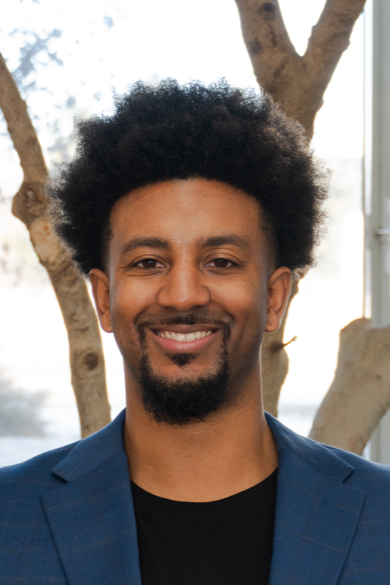
Psychological Safety and the Future of Work
Training overview
This keynote explores why psychological safety is no longer optional, but essential for the future of effective organizations. Ernest demonstrates how psychologically safe environments drive stronger retention, deeper collaboration, and greater innovation by allowing employees to take risks, share ideas, and speak up without fear of harm or retaliation. He connects psychological safety to cultural competency and antiracist practice, illustrating how power, identity, and organizational culture shape whose voices are heard—and whose are silenced. Participants leave with practical strategies to build trust, foster accountability, and create workplaces where all employees feel genuinely valued, respected, and empowered to contribute at their highest level.
Key takeaways
Psychological safety drives performance: Organizations that foster trust and openness see higher retention stronger collaboration and increased innovation.
Equity-centered safety builds stronger teams: Embedding cultural competency and antiracist practices ensures all voices are valued empowering employees to speak up and contribute fully.
Ernest Crim III
Emmy-nominated griot, Educator, and Cultural Consultant
View Profile