Inclusion is Not a Spectator Sport
Training overview
Many organizations today explicitly declare that they value inclusion, emphasizing its importance in their mission statements and corporate values. However, the unfortunate reality is that they often leave the responsibility for fostering inclusion largely up to individuals, whether through voluntary efforts or personal awareness. This fragmented approach can create inconsistencies across the organization, as employees are left to navigate the complexities of inclusion on their own, without a clear framework or organizational support. As a result, even if the intent to be inclusive exists, the culture often falls short of creating a truly equitable environment. Employees might feel excluded or marginalized, or be uncertain about how to foster inclusivity within their teams, leading to gaps in understanding, communication, and collaboration.
In this session, Dr. Michael Baran will address how organizations can go beyond just stating their commitment to inclusion and take concrete, strategic actions to build a truly inclusive culture. By providing practical steps that both organizations and individuals can take, Dr. Baran will guide participants in understanding how inclusion can be seamlessly integrated into all aspects of the organizational structure starting from leadership and extending throughout teams, systems, and policies. This includes fostering diverse hiring practices, creating spaces for open dialogue, implementing regular bias training, and instituting employee feedback mechanisms to ensure inclusivity is prioritized in all decision-making processes.
Additionally, Dr. Baran will focus on how to create a psychologically safe work environment one where employees feel empowered to express themselves without fear of discrimination or retaliation. This safety is essential not just for individual well-being, but for cultivating a more innovative and productive workforce. When employees feel psychologically safe, they are more likely to engage in creative problem-solving, share their ideas openly, and collaborate with others, knowing that their contributions will be valued regardless of their background.
The session will also explore the deep connection between inclusion and key organizational outcomes such as job satisfaction, mental health, retention, and performance. When employees feel included and supported, they experience higher job satisfaction, which contributes to improved mental health and overall well-being. This sense of belonging also leads to higher employee retention, as individuals are less likely to leave an organization that values and respects them. Moreover, a truly inclusive culture creates a high-performance environment where diverse perspectives are not only welcomed but leveraged, ultimately driving better business results and innovation
Key takeaways
Provide practical steps that organizations and individuals can take to level their culture.
Attendees will have a clearer understanding of the specific actions they can take to contribute to a more inclusive culture
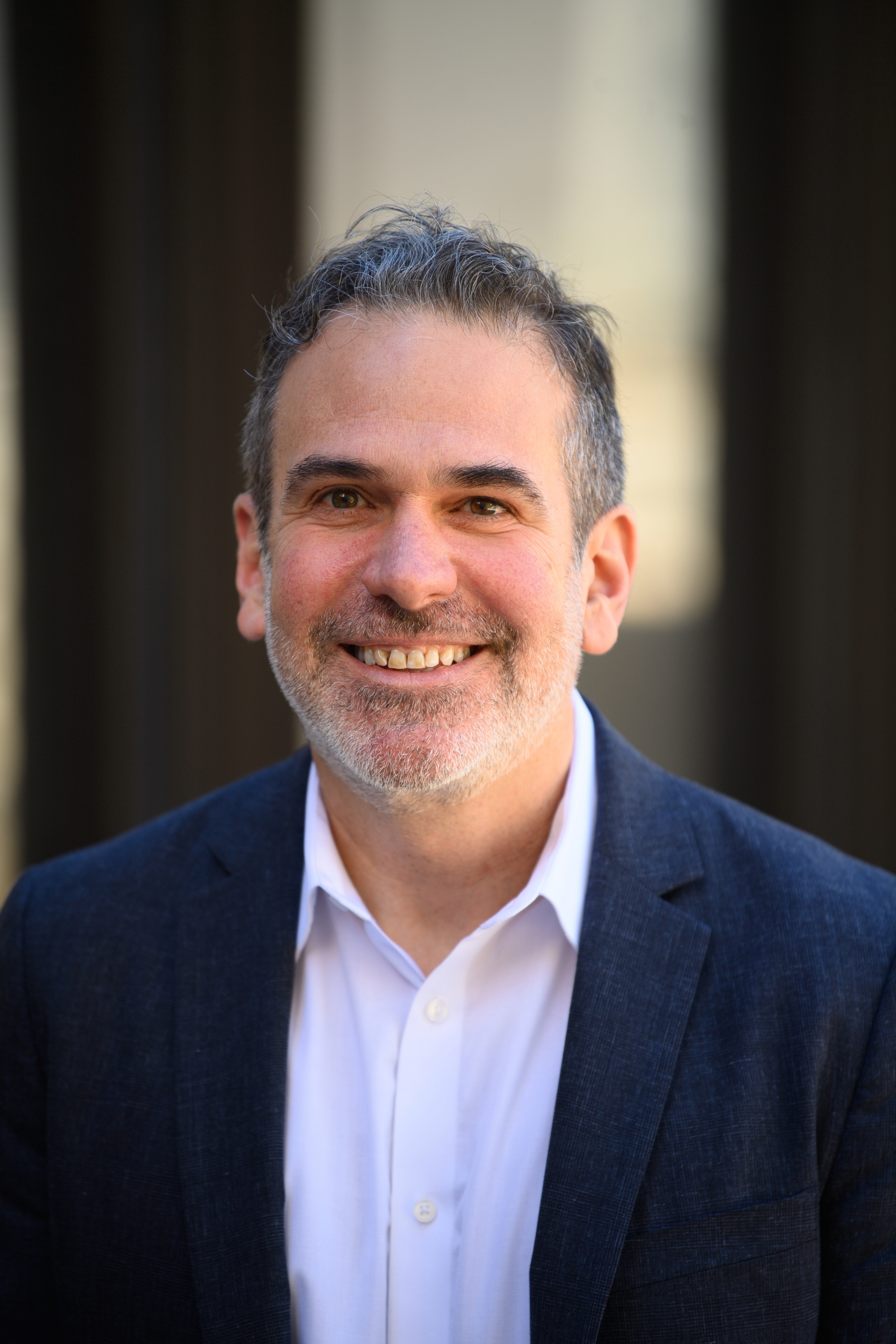
Michael Baran He/Him
Award winning DEI author, speaker, social scientist
View Profile