Creating Spaces of Belonging: The Asian American Experience
Training overview
The rise of Asian American hate crimes. The lack of Asian American representation in leadership, media, education, the arts, and more. The fetishization of Asian women. The demasculinization of Asian men. Stereotyping in TV & Film. The continual exclusion of Asians when addressing people of color. The “model minority myth.” These are all problems that persist in our country.
Yet, Asian Americans are the fastest-growing minority in the US. It’s time to change the narrative of AANHPI (Asian American Native Hawaiian Pacific Islander).
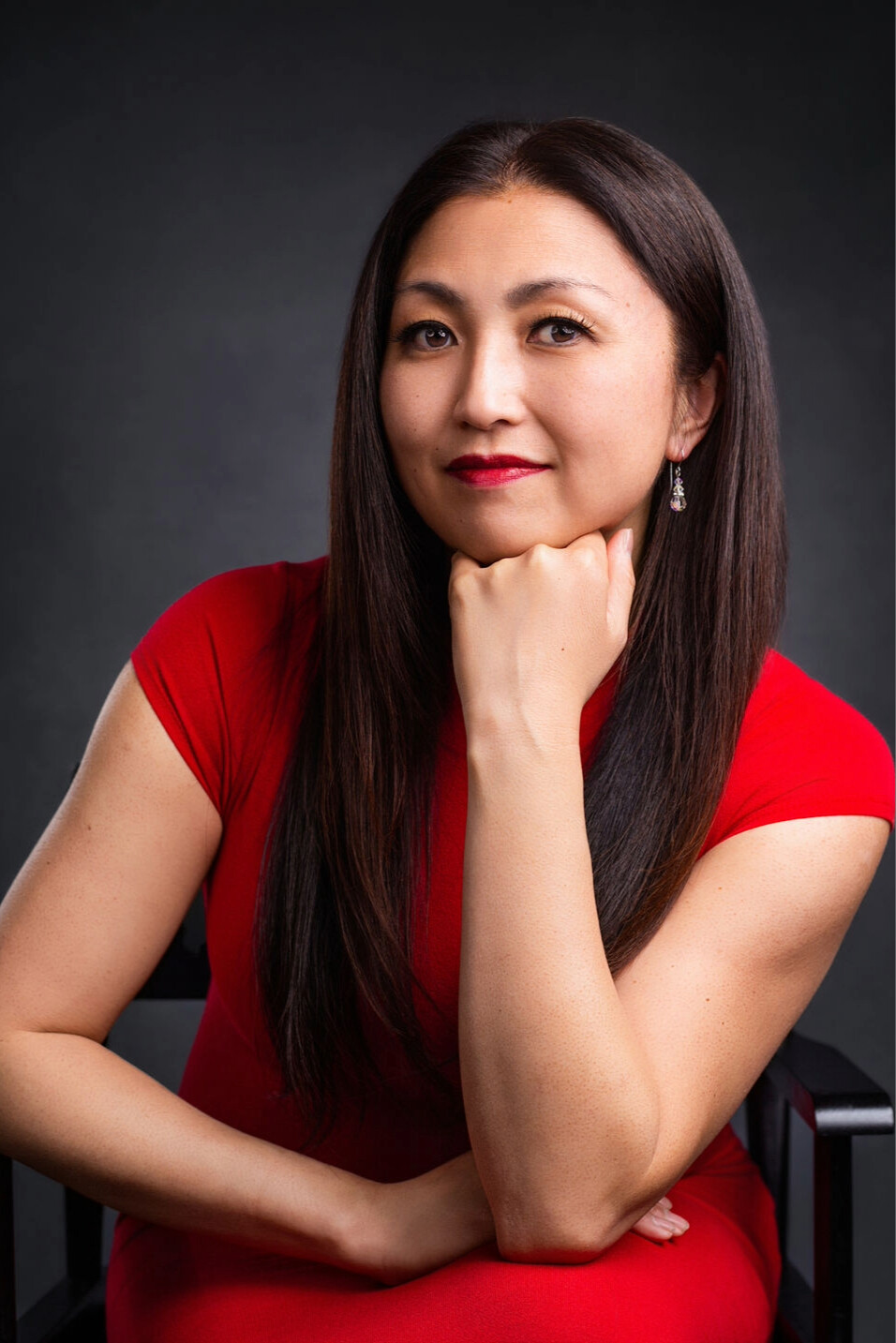
As a bilingual and bicultural 4th generation Japanese American, born between a 3rd generation Japanese American father from Hawaii and a native Japanese mother, I know what it feels like to not belong: Not American enough in America, not Japanese enough in Japan. As a dancer, actress, and performing artist, I have been repeatedly excluded from roles due to my ethnicity. As a social entrepreneur, I’ve found myself as the only Asian American in many spaces, including DEI spaces.
Despite this, through lots of soul-searching and trial and error, I found a unique career path that transcends these divisions in our society, and combines my passion for dance with a purpose of inclusion. There’s a saying in Japanese that says, “When the nail sticks out, it gets hammered down.” Adding to this: … But when the nail sticks up too high, the nail can’t be hammered down.
Key takeaways
Finding Belonging as an Asian American